Health
InvestigateTV+: Measles outbreaks in the U.S.
By Devon Wright
Advertisement · Why this ad?
Linda has dedicated over 8 years to covering education in Georgia, with her Bachelor's degree from Emory University. She previously worked for the Cherokee Tribune, where she focused on school board meetings and educational policy, giving her a deep understanding of local education dynamics.
More from Linda →
The cheerful sound of giggles and the sight of a child clutching a beloved baby doll – these are the simple joys that define Fonda’s world. But for Christine Castle, watching her sister navigate life with the mind of a young child is a constant reminder of a tragedy that struck before she was even born: rubella, a virus that left an indelible mark on Fonda’s development. This personal story, shared amidst a surge in measles cases across the nation, underscores the urgent need for understanding and preventative measures as communities grapple with a public health challenge not seen in decades. The CDC recently reported 4,852 measles cases in the U.S. between January 1 and October 30, 2026, marking the highest number since the outbreaks of 1989-1991 and representing a 35-year high.
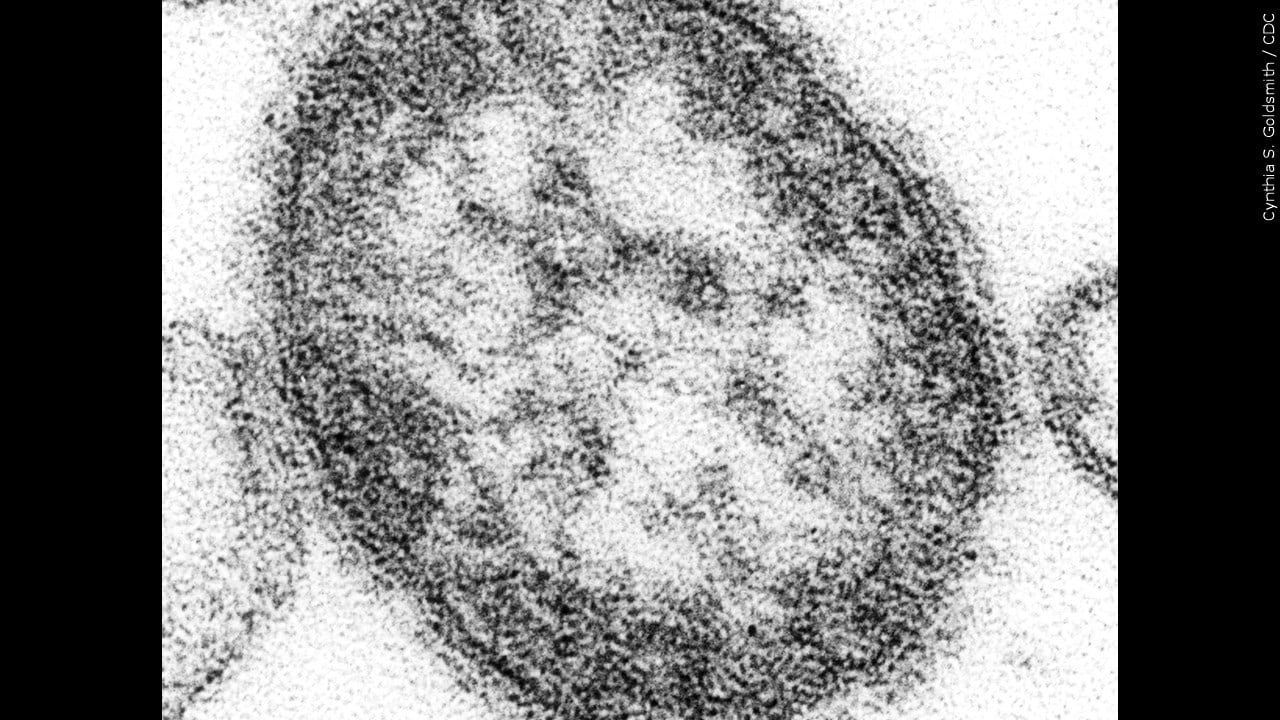
Measles, a highly contagious disease characterized by a rash and fever, can lead to severe health complications, even death, according to the CDC. The risk of encephalitis, a dangerous inflammation of the brain often resulting in permanent damage, affects one in every 1,000 cases. While two doses of the measles, mumps and rubella (MMR) vaccine provide the strongest protection, achieving “herd immunity” – where over 95% of a community is vaccinated – offers broader protection to those who cannot be vaccinated. The current situation demands careful consideration and proactive steps to safeguard the health of our children and families.
The impact of infectious diseases isn’t just about statistics; it’s about the lives profoundly altered. Christine Castle’s story illuminates this reality, as she describes her sister Fonda, who was affected by rubella during her mother's pregnancy. According to the CDC, a rubella infection during pregnancy can lead to serious illness and developmental delays for babies after birth. Fonda's challenges – difficulty reading or writing and limited cognitive development – are a stark reminder of the potential consequences of preventable diseases. She was born during the U.S. rubella epidemic, which, between 1965 and 1966, resulted in more than 11,000 pregnant women losing their babies and 20,000 babies being born with congenital rubella syndrome. Similarly, Emmi Herman recounts the story of her sister Marcie, who contracted measles in 1960 and developed encephalitis, requiring her to relearn basic life skills and facing mental health struggles until her death in 2020 from COVID-19. These are not just medical incidents; they are family tragedies that reshape lives and leave lasting scars.
Before the measles vaccine was widely available, Marcie faced a devastating ordeal. At nine years old, she contracted measles, which led to encephalitis. This required her to relearn basic life skills and resulted in ongoing mental health challenges until her passing in 2020. Her family cherishes memories of her as a talented pianist, recalling her dedication to music and the piano her parents provided. Herman emphasizes that the hardships and heartaches caused by measles can profoundly impact families, altering life trajectories for individuals and their loved ones.
The recent measles outbreak in South Carolina provides a tangible example of the challenges facing communities today. Beginning with the first reported case on July 9, 2025, the outbreak escalated, with state health officials confirming five linked infections by October 1, 2026, meeting the criteria for an outbreak. The peak occurred in mid-January 2026, with hundreds in quarantine or isolation. Although declared over on April 26, 2026, a total of 997 people contracted measles during this period, 15 of whom required hospitalization. Dr. Brannon Traxler, the state’s chief medical officer, credited an aggressive vaccination campaign with ultimately containing the outbreak, highlighting the crucial role of preventative measures. Importantly, more than 93% of those infected (932 individuals) were unvaccinated, underscoring the importance of vaccination in protecting both individuals and communities. The campaign included innovative approaches like mobile vaccine units, one of which was deployed at Mount Moriah Baptist Church in Spartanburg, leading to a 94% year-over-year increase in MMR vaccinations.
While medical professionals strongly advocate for vaccination, concerns and hesitancy persist among some parents. Deidre Downs shared her experience with her daughter Shaylee, who developed immune thrombocytopenia purpura (ITP) shortly after receiving the MMR vaccine in 2024. ITP is a disorder affecting the ability to form blood clots, and Shaylee experienced a severe reaction with widespread bruising. According to the CDC, ITP can occur after both natural measles infections and the MMR vaccine. The agency says it occurs in 1 in every 40,000 vaccinated children. Although Shaylee has since recovered, Downs’ experience exemplifies the emotional toll that adverse reactions, however rare, can take on families. Downs acknowledges the rarity of such occurrences but emphasizes the importance of understanding and compassion for families facing such challenges.
The stories shared by Castle, Herman, and Downs – each representing a different facet of the measles challenge – converge on a single message: consult with a trusted medical professional. These families, despite their diverse experiences, recognize the importance of informed decision-making and open communication with healthcare providers. While acknowledging the potential risks associated with any medical intervention, they emphasize the need for parents to weigh those risks against the potential consequences of contracting preventable diseases.
The measles outbreak serves as a crucial reminder of the ongoing need for vigilance and proactive measures. The commitment to strong families and stable homes is more important than ever in the face of these challenges. Children need the security of knowing their parents are actively protecting their health, and families need the support of a community that values both individual well-being and collective responsibility. As Christine Castle poignantly reflected, “We don’t know who is going to be affected and who is not, but we definitely would not want a five-year-old for the rest of your life.” This sentiment underscores the collective responsibility we all share in protecting the health of our community.
Moving forward, continued efforts are needed to address vaccine hesitancy and ensure access to vaccinations for all. This includes fostering open communication between healthcare providers and parents, addressing concerns with empathy and evidence-based information, and providing accessible vaccination clinics in underserved communities. The partnerships demonstrated in South Carolina offer a promising approach to reaching vulnerable populations. Furthermore, ongoing monitoring and surveillance are essential to detect and respond to any future outbreaks promptly.
Resources:
The recent measles cases serve as a poignant reminder that while medical advancements have eradicated many diseases, the threat of resurgence remains real. It’s a call for continued vigilance, informed decision-making, and a renewed commitment to protecting the health and well-being of our communities, particularly our children. By embracing preventative measures, fostering open communication, and supporting families in need, we can strive to create a healthier and more resilient future for all.
By Devon Wright
By Linda Choi

By Mohammed Ahsan
By Mohammed Ahsan